
Solid Colour Laminates start at ₹875 per sheet
1687 designs listed right now · most sit around ₹1,950 · top end ₹8,735 · prices include GST, updated 21 Oct 2026
Start with a like-for-like comparison
A laminate price becomes useful when you know what it includes. The live figures above describe the selected solid-colour category, not the finished cost of a wardrobe, kitchen or sideboard. Different sheet sizes, constructions and finishes may sit within that category, so the lowest number is a starting point for browsing rather than a promise for your design.
Before comparing two options, put the product code, finish, thickness and sheet size beside each price. Check whether the displayed unit is a sheet or an area rate. A quotation that looks cheaper can cover less material or leave out work that another supplier has included.
This page helps you turn a shortlist into a budget you can discuss with your carpenter. Keep the appearance you want in mind, but separate the decorative sheets from the board, edges, adhesive, hardware and installation. That makes it easier to change one choice without losing track of the whole project.
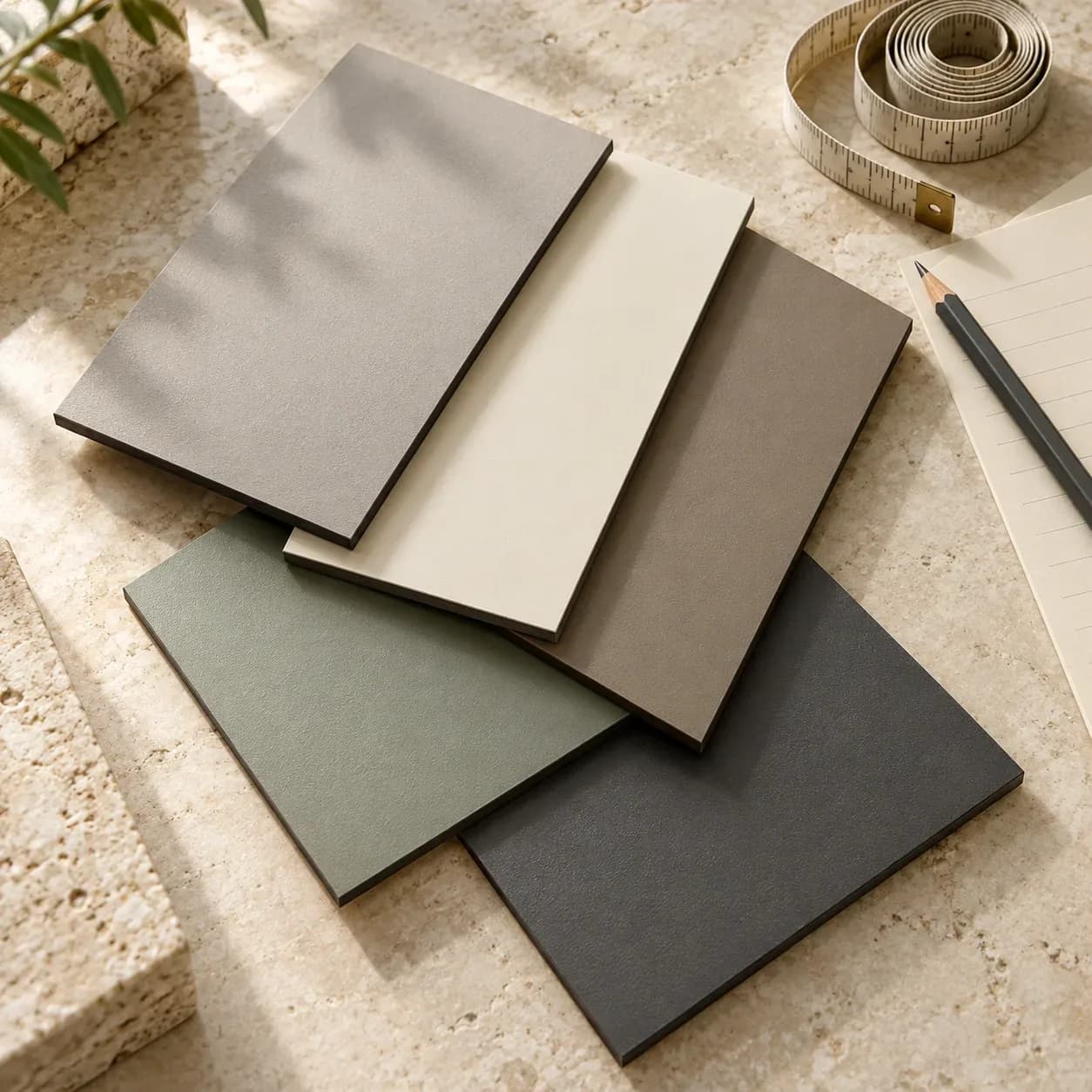
Translate a sheet price into usable material
An 8 ft x 4 ft sheet has a nominal area of 32 sq ft. Dividing a sheet price by that area gives a useful comparison rate, but it does not tell you how many furniture pieces will fit on the sheet. The cutting layout, grain direction and size of each panel affect the result.
As a calculation example only, a sheet priced at ₹2,000 would work out to ₹62.50 per sq ft before cutting waste and other costs. This is an illustration, not a current Hinch quotation. If another sheet has a different size, use its own dimensions rather than the same divisor.
Ask the carpenter to prepare a cutting list for the actual doors, shelves and panels. Include the surfaces you will see when a cupboard is open, if they are part of the specification. A small offcut might be useful for an edge or shelf, but it cannot replace a full-length door panel just because the total area adds up.
Build the quote in separate lines
A useful quote makes the hidden parts of the job visible. Request separate lines for decorative sheets, supporting board, edge finishing, adhesive, hardware and labour. Add transport or carrying charges where they apply, and confirm which amounts include tax. You can then understand a change in price without asking the supplier to explain the entire project again.
Do not reduce the supporting board or bonding specification simply to keep a favourite finish within budget. Ask the installer which requirements belong to the application and which choices are mainly visual. A different colour, a smaller feature area or simpler detailing may offer a more sensible adjustment.
Keep the quantities beside the unit rates. Four sheets at one rate and five at another are not directly comparable totals. If the installer changes the cutting plan, ask for the revised quantity and why it changed. Put optional extras on their own line so you can approve them deliberately rather than discovering them at the end.
Spend where the room will notice it
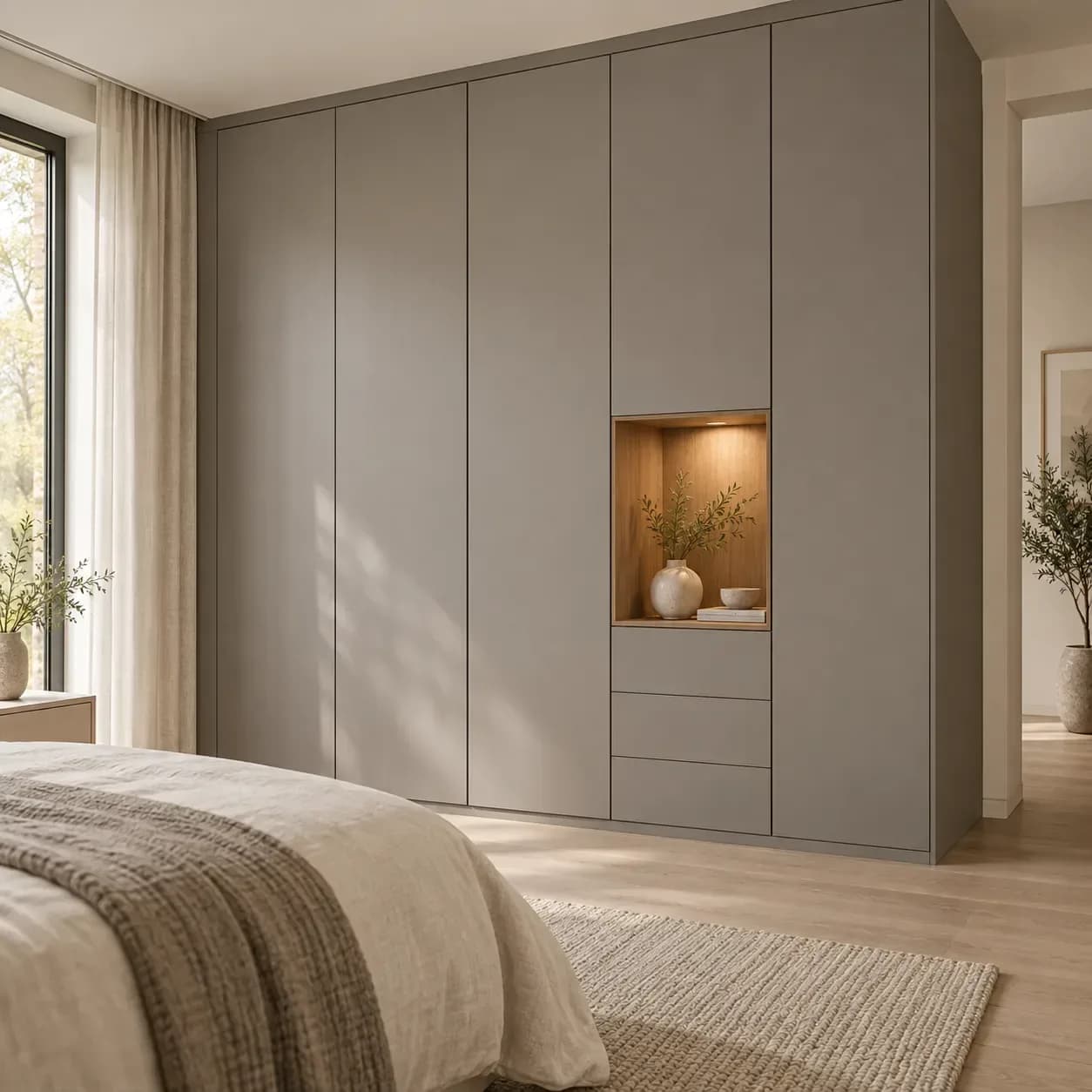
Choose the surfaces that deserve the strongest visual emphasis. On a wardrobe, that may be the doors and an open dressing niche. On a sideboard, it could be the main fronts and the visible side panel. You can often keep the surrounding scheme quieter without making the furniture feel unfinished.
Compare physical samples beside the wall, flooring and handles you already intend to use. A more expensive finish is not automatically the better match. Our matte versus glossy comparison can help you think about the appearance before you settle the specification.
Once you approve the sample, keep its code with the final quote. Confirm how long the quote is valid, whether the listed quantity is available, and what happens if a selected design must be substituted. Ask to review any replacement sample before it becomes part of your order. The best budget is one you can follow all the way from the sample counter to the completed cabinet.
If you are budgeting for a furniture refresh, first check whether laminate can be applied over the existing surface. Preparation and repairs belong in the quote too.
Questions people ask us
Does the live price range include installation?
The price block summarises product pricing in the selected category. Treat installation, supporting materials and any delivery charges as separate items unless your written quote explicitly includes them. Check the individual listing and the final order breakdown before paying.
Why can two solid-colour sheets have different prices?
The brand, sheet size, thickness, surface finish and product construction can all change the price. Compare the complete specifications and the quantity covered before deciding which quote offers better value.
Can I estimate my budget from the price per square foot?
It is a useful comparison, but it is not a complete project estimate. Ask for a cutting plan, then include the supporting board, edging, adhesive, hardware, labour and delivery in the total.
Should I order extra sheets for cutting waste?
Ask your carpenter to calculate the quantity from the actual panel sizes and cutting layout. A fixed allowance can be misleading when doors are large or the grain needs to run in one direction.
What should I confirm before approving a quote?
Confirm the product codes, sheet dimensions, quantities, taxes, delivery charges and installation scope. Keep the approved sample with the written quote and ask how substitutions or additional sheets will be handled.
Shop these categories
- 1 mm Decorative Laminates
- Wood Laminates
- Laminates
- Matte Finish Laminates
- Solid Colour Laminates
- Glossy Finish Laminates
Keep reading
- AnswersCan you use laminates over existing furniture?
Keep the furniture you like, but check the old surface before choosing its new finish.
- ProjectsA calm study corner: a laminate design concept
A concept study in warm wood-look laminate and soft neutral storage, ready to adapt to a real room.
- CalculatorsWardrobe laminate calculator: turn measurements into a plan
Measure the right surfaces, understand the estimate and take a clearer brief to your carpenter.
- BrandsMerino laminates: find the finish that belongs in your room
A considered way to choose Merino designs, compare samples and keep the final specification clear.
- DesignsWarm neutrals for a beautifully balanced home
Ivory, taupe and sand: three considered palettes for rooms that feel warm, connected and easy to live in.
- CareHow to keep your laminates looking beautiful
A soft cloth. A gentle routine. Small habits that keep the finish you chose looking its best.