
Choose a product, not just a brand name
A brand shortlist is a useful beginning, but a room is made from particular products. If you are considering Merino laminates, start with the job each surface needs to do: a quiet wardrobe front, a desk you use every day or a small cabinet that brings colour into a room. Then look for the design and finish that suit that job.
The live selection below shows Merino products in the Hinch catalogue. It is a browsing feed, not a ready-made specification or a set of exact matches to the room images. Open the individual listings before making a comparison.
Keep your shortlist small enough to discuss properly. One plain finish, one patterned option and a sample of the surrounding wall or fabric can be more useful than a long folder of unrelated images. The aim is to choose a combination you can recognise, order accurately and enjoy in your own light.
Browse Merino at Hinch


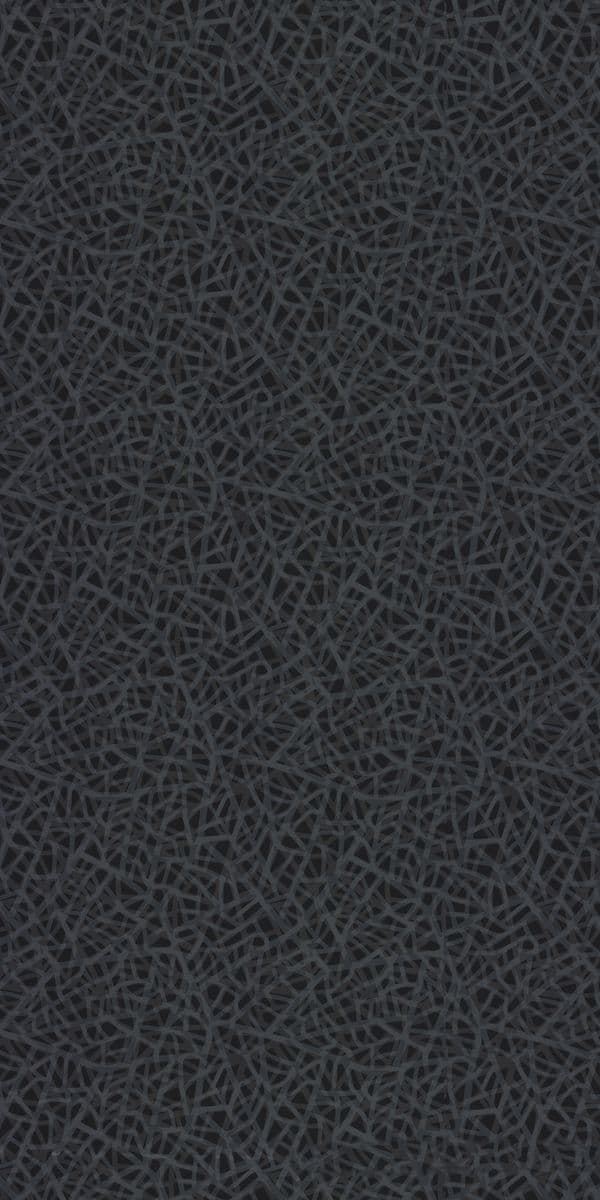
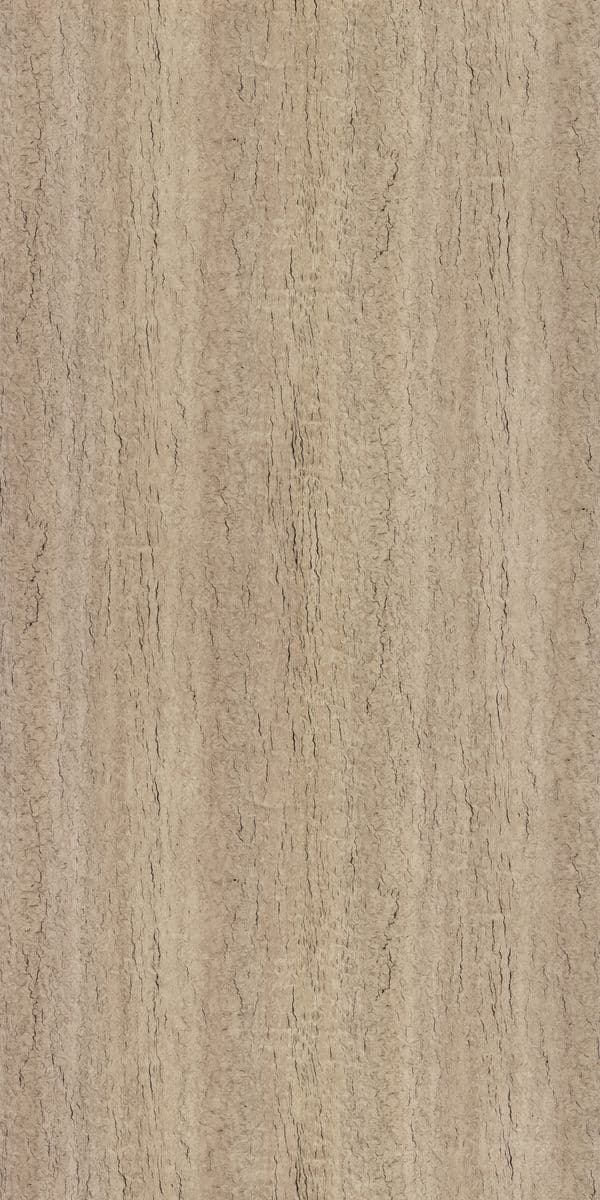

Build a palette around one lead finish
Choose which surface should carry the room before you start matching everything else. A patterned cupboard can be the focal point, with plain neighbouring doors giving it room to breathe. If the furniture occupies most of a wall, a quieter finish may suit the space better than a second competing pattern.
Lay your shortlisted Merino samples beside the actual flooring, wall colour and upholstery. Look for undertones that sit comfortably together, then move the samples away from the showroom display and into the intended room if samples are available to take home. Morning daylight and evening lamps can reveal different parts of the same finish.
Keep the supporting palette deliberate. Repeating one colour in a handle, shelf or fabric usually feels more settled than adding a new finish to every surface. For the room images on this page, treat the combinations as visual direction only. Match a physical sample and an exact product code before ordering anything pictured.
Read the finish as well as the colour
Two samples with a similar colour can behave very differently in a room. One may show stronger reflections; another may have a texture that becomes more noticeable when light crosses it. Tilt each sample, view it upright and hold it at the height where the finished surface will sit.
For tall furniture, stand back as well as looking closely. A small attractive pattern can feel much busier when repeated across several doors. For a desk or cabinet top, check the sample horizontally and consider how your task lamp or window will reflect in it. These checks help you compare appearance without assuming that a finish name guarantees a particular performance.
Our matte and glossy laminate comparison can help you think through reflection and visual mood. For suitability, cleaning and installation, use the documentation for the specific Merino product you select. Ask the seller to resolve any uncertainty before that product goes into the cutting schedule.
Keep the specification together
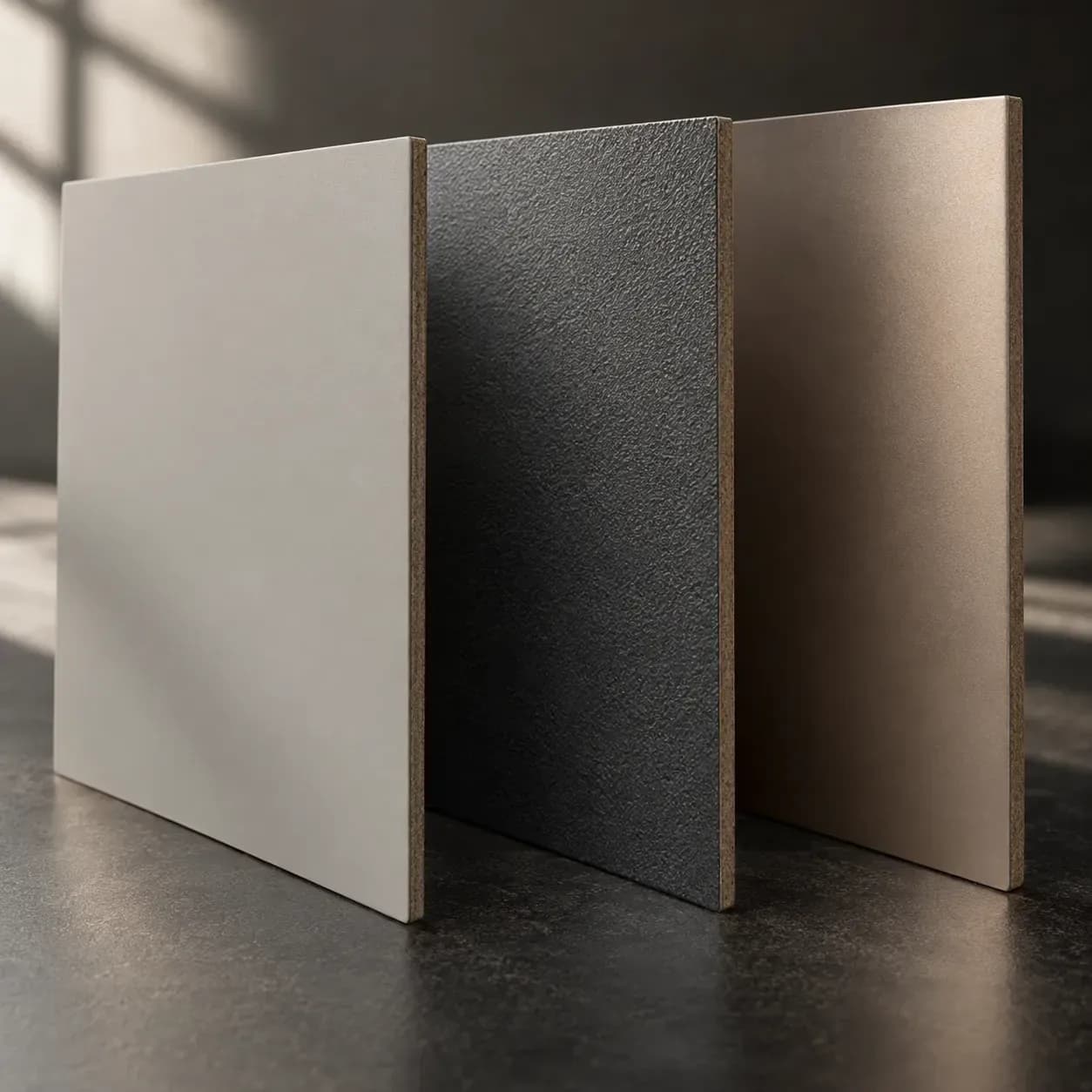
Once you have a favourite, write down more than its colour name. Record the Merino design code, finish, sheet dimensions and thickness from the listing or confirmed quotation. Add the furniture location beside it, so the same code is not accidentally used for a different door, backing or internal surface.
Then ask the carpenter to review the cutting plan. Grain direction, adjoining panels, edge treatment and the intended board all affect how the finished furniture comes together. A sheet count based only on the total visible area can miss awkward cuts or a deliberate pattern match. Keep the final material quantity separate from the visual shortlist until that review is complete.
Before payment, compare the quotation against your notes and agree how substitutions will be handled. On delivery, check the labels and visible condition before sheets are cut. Keep the invoice and relevant care guidance together. This small paper trail makes later questions easier to answer, especially when a room contains several similar-looking finishes.
If your shortlist is for furniture you already own, read what to check before laminating an existing surface. Choosing a brand does not establish whether the old surface is suitable.
Questions people ask us
Do all Merino laminates have the same specification?
No. Check the exact product code and listing for sheet size, thickness, finish and intended use. A shared brand name does not make two products interchangeable. If the shortlisted code is unavailable, compare the proposed replacement with a physical sample and an updated specification before approving it.
How should I shortlist Merino designs for my room?
Start with the wall, floor and furniture that will stay. Compare a few physical samples together in the room, then record the exact design code and finish for each option you want quoted.
Will the product cards match the room images exactly?
Use the room images as styling inspiration. Confirm the exact product code, physical sample and finish before ordering; a similar colour in a photograph does not establish an exact catalogue match.
Can I use the same Merino laminate on doors and a desktop?
Check the intended use of the exact product for both surfaces. A shared design or brand name does not establish suitability for every application, so confirm the specification with the supplier and installer.
What should I confirm when a shortlisted design is unavailable?
Ask to see the proposed replacement sample and its full specification. Review the colour, sheen, dimensions and intended use, then update the written order before approving the change.
Shop these categories
- 1 mm Decorative Laminates
- Wood Laminates
- Laminates
- Matte Finish Laminates
- Solid Colour Laminates
- Glossy Finish Laminates
Keep reading
- AnswersCan you use laminates over existing furniture?
Keep the furniture you like, but check the old surface before choosing its new finish.
- ProjectsA calm study corner: a laminate design concept
A concept study in warm wood-look laminate and soft neutral storage, ready to adapt to a real room.
- CalculatorsWardrobe laminate calculator: turn measurements into a plan
Measure the right surfaces, understand the estimate and take a clearer brief to your carpenter.
- DesignsWarm neutrals for a beautifully balanced home
Ivory, taupe and sand: three considered palettes for rooms that feel warm, connected and easy to live in.
- CareHow to keep your laminates looking beautiful
A soft cloth. A gentle routine. Small habits that keep the finish you chose looking its best.
- CompareMatte vs glossy laminates: find your kind of luxury
Soft, understated surfaces or a polished glow? Find the laminate finish that feels right in your home.