
Replace the material, but also address the infestation
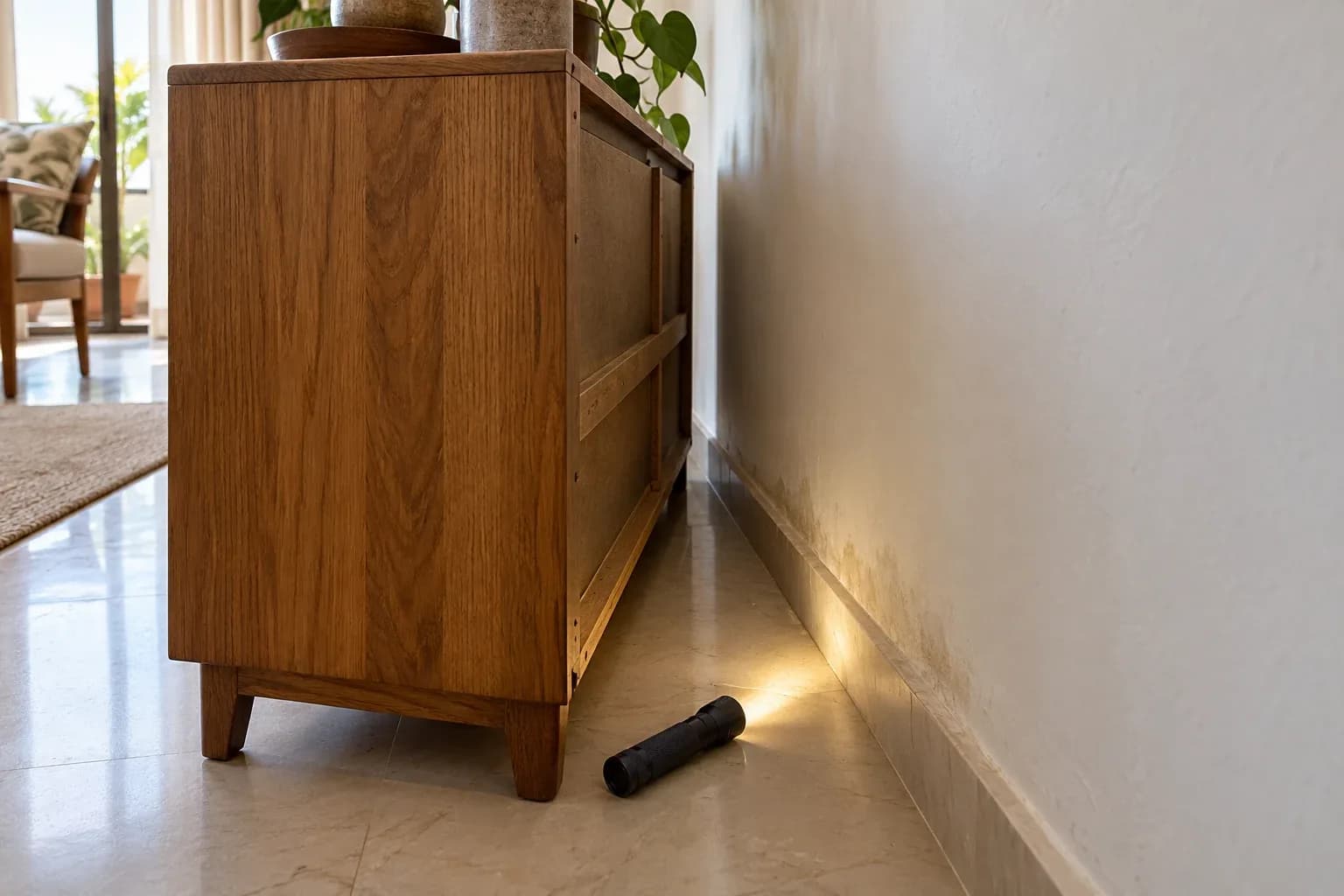
Metal furniture and suitably specified WPC or polymer boards are options to discuss when you want to reduce reliance on plywood. However, replacing one cabinet is not a treatment for termites elsewhere in the home. If you have active damage, arrange a qualified pest inspection before closing the area behind new furniture. Fine powder, holes or a damaged edge alone are not enough to identify the pest confidently.
The first buying question is what each component is made of. A metal frame may still contain wood-based shelves or back panels. A polymer-faced shutter may still have a wood-based core. Ask for a component-by-component specification instead of accepting a broad label such as termite-proof kitchen.
Moisture control, access for inspection and treatment of the building remain separate jobs. The US EPA's termite guidance explains why prevention and professional control matter alongside material selection. Use a locally qualified provider for assessment and follow locally approved treatment instructions. Do not pour pesticides into furniture joints or improvise a chemical treatment from a social-media tip.
Understand what each alternative does and does not promise
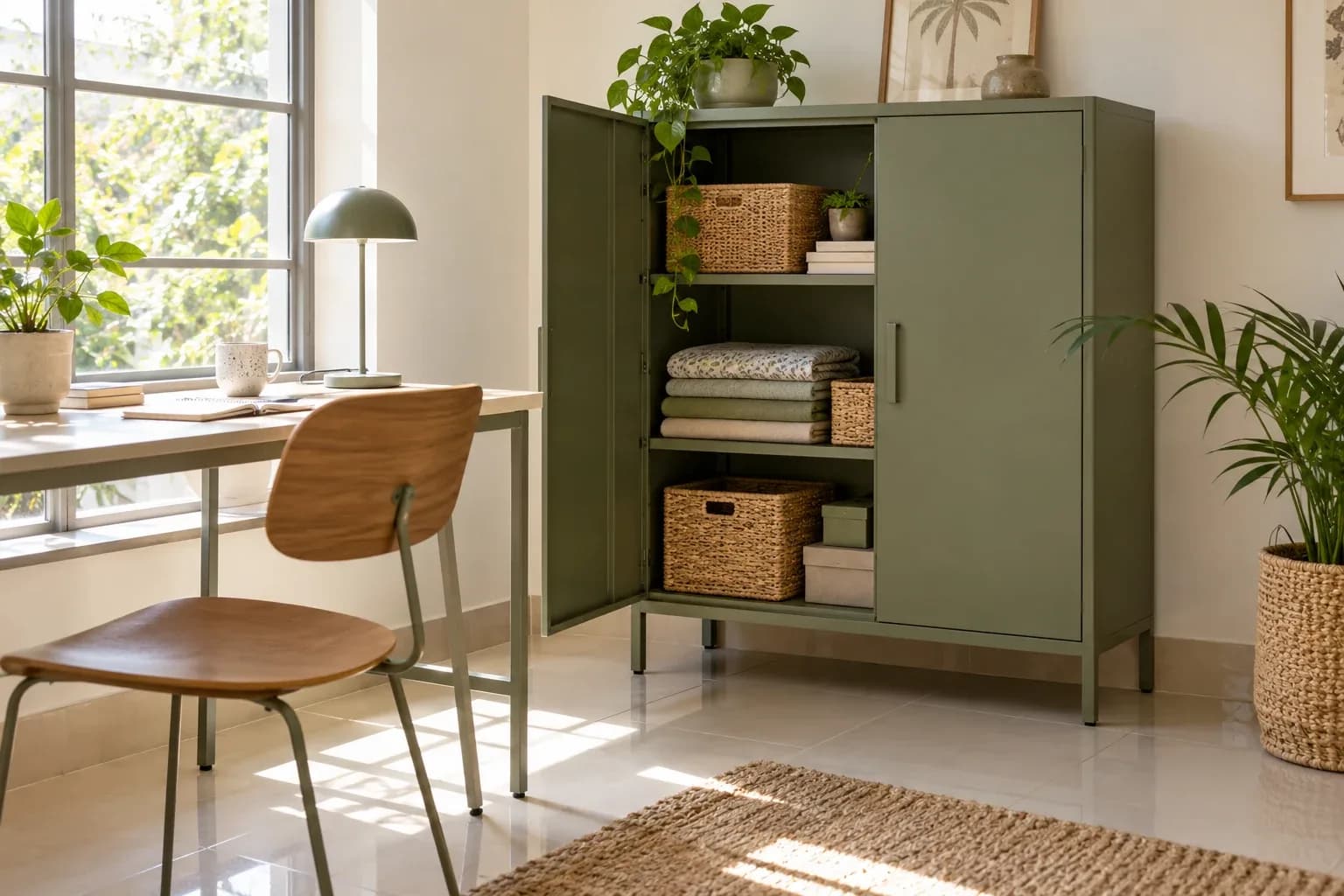
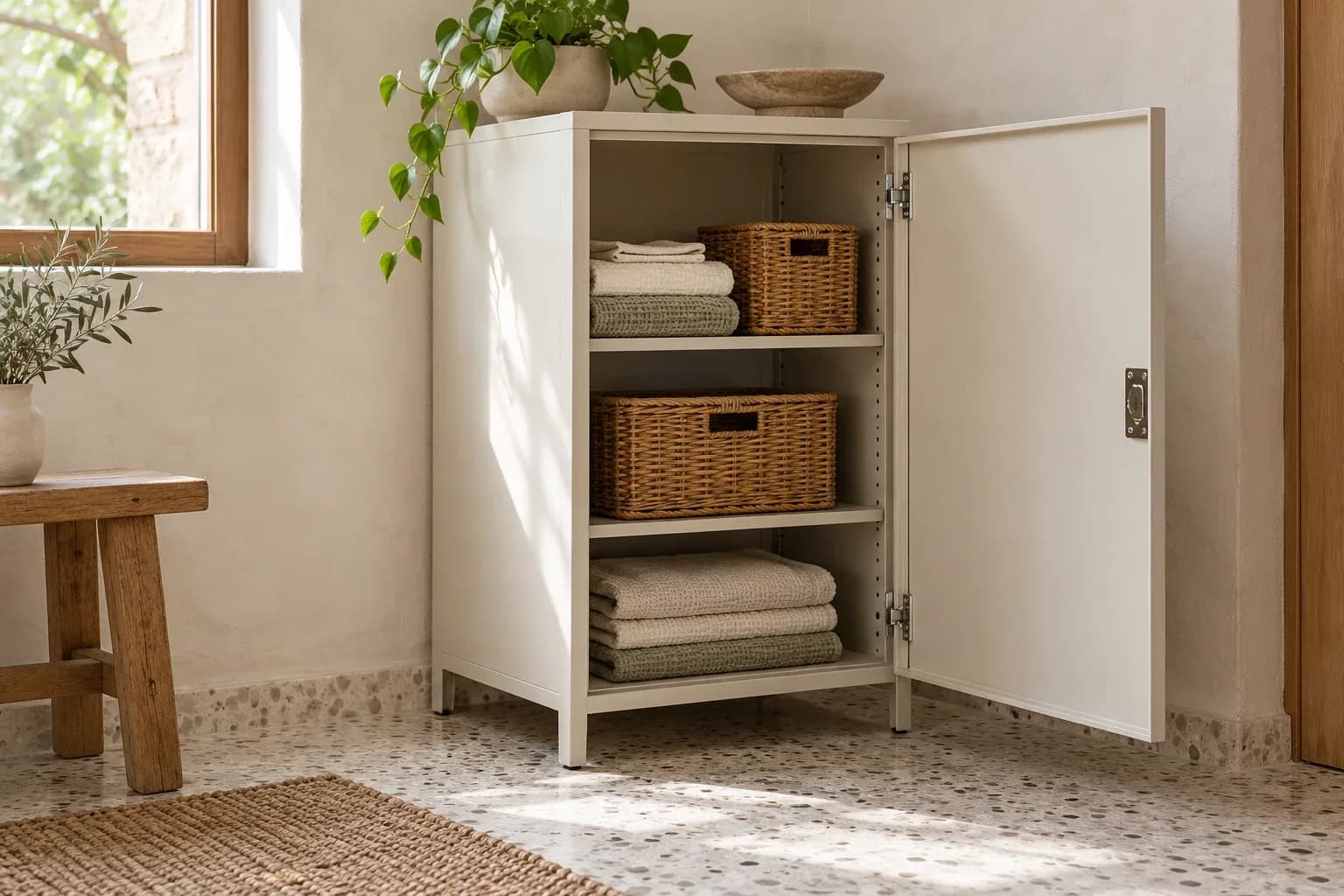
Metal cabinetry: Ask about the actual metal, coating, joints, hardware and treatment of exposed edges. Check what the shelves and back panels contain. Choose a completed assembly suitable for its location and intended load, with a clear cleaning specification. Avoid assuming that every component in a metal-fronted cabinet is metal.
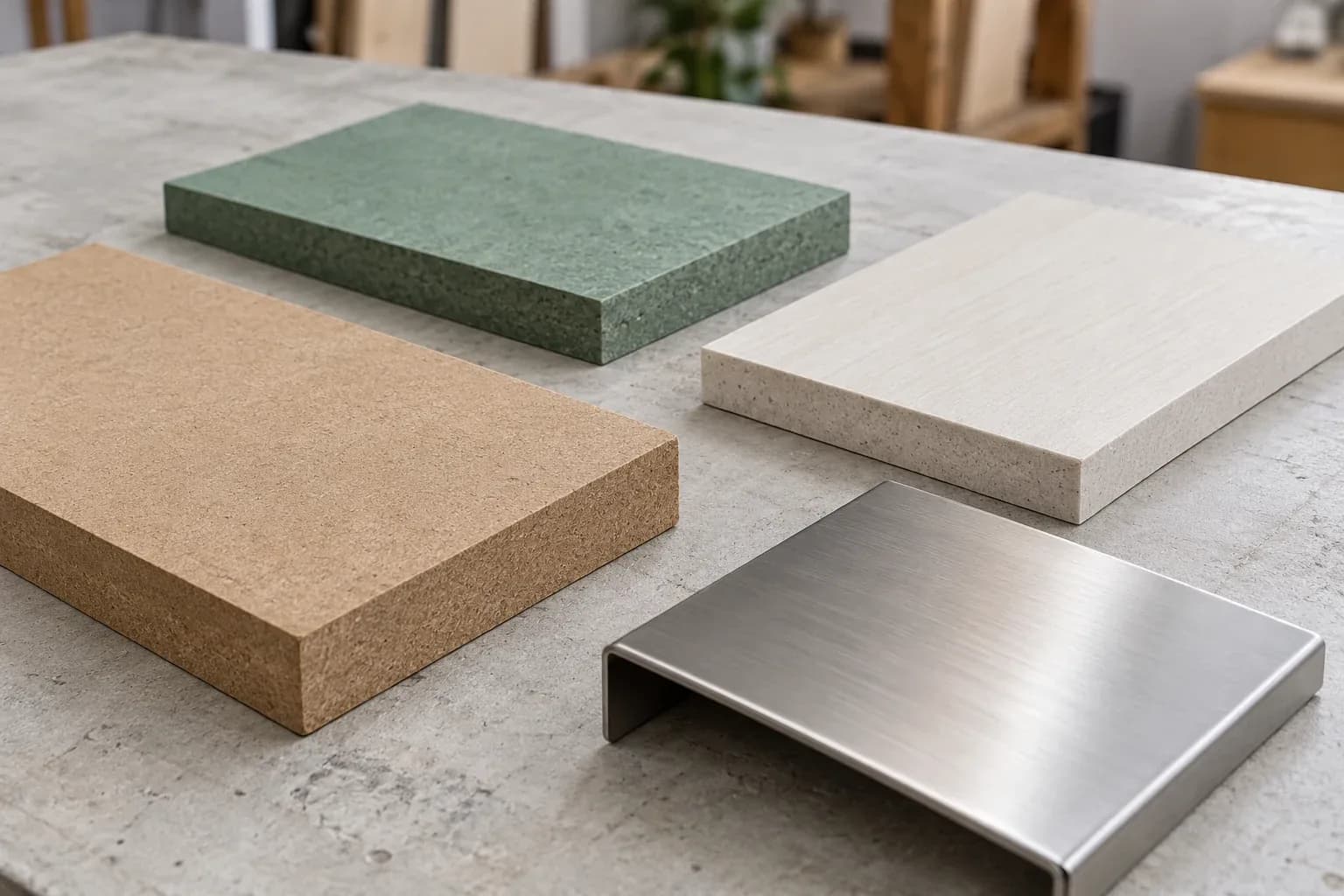
WPC and polymer boards: Compare named products with documented furniture applications. CenturyPly's WPC information describes its wood-fibre and thermoplastic construction and resistance claims. Those are product-specific statements. Ask about thickness, fixing instructions, shelf support, heat exposure and compatible adhesives before substituting a board into a plywood design.
HDHMR, MDF and HDF: These remain wood-based boards, not a blanket escape from termite risk. A moisture-resistance claim is different from a termite-resistance claim. Review the exact product's test information and warranty. Action TESA's catalogue distinguishes several board ranges; do not transfer one range's claims to another.
Treated plywood: It may still be a candidate when its documented treatment, application and warranty suit the project. Replacing plywood with an unspecified alternative can trade one uncertainty for another. Ask what protection is claimed, under what conditions, and what happens if the board is cut or machined.
Decorative laminate is a surface finish. It does not turn an unidentified supporting board into a termite-proof cabinet. Keep the core, finish and building-level pest management separate in the purchase discussion.
A checklist for the quote and installation
Write down the room, intended use and any previous infestation history before collecting quotes. Ask the fabricator to identify the cabinet boxes, shelves, doors, backs and concealed packing pieces. Include the hardware and all wood-containing parts in the assessment. A single replacement shutter cannot establish that the surrounding cabinet is sound.
If one proposal uses 18 mm board and another uses 19 mm, do not compare price alone or assume the extra millimetre guarantees suitability. Ask for the manufacturer's supported span, fastening detail and intended application for that exact product. Confirm whether a replacement needs different hinges, screws or support from the original design.
Browse plywood and boards and HDHMR boards as specification references. Ask for current availability and documents before placing an order. The complete furniture quote checklist can help you separate materials, fabrication and installation costs.
Agree when the existing furniture will be removed, who inspects the exposed area, and when installation can proceed after any treatment. Keep future inspection points accessible where the professional recommends them. Photograph the substrate and concealed components before they are covered.
Finally, request written warranty terms. Check exclusions, inspection or maintenance requirements, claim evidence and whether labour is covered. Choose the construction you can document and maintain, rather than the strongest-sounding marketing phrase.
Questions people ask us
Does replacing plywood stop termites in the home?
No. Existing activity can involve other furniture or the building. Arrange an inspection and address the infestation before installing replacements.
Are HDHMR and MDF automatically termite-proof?
No. Review the exact range, supporting test information and warranty. Moisture resistance alone is not proof of termite resistance.
Can I use WPC louvers to build cabinet boxes?
Do not assume so. Decorative louvers and furniture boards have different purposes. Use only products whose manufacturer supports the proposed construction.
Is laminate a termite barrier for the board beneath it?
Do not rely on the decorative face as pest protection. Confirm the core specification and deal with the building-level risk separately.
What should a supplier provide?
A component list, exact product names and thicknesses, application and fixing instructions, and written warranty terms with exclusions.
Shop these categories
Keep reading
- CompareBWP plywood vs HDHMR: which should you use for kitchen cabinets?
Choose cabinet boards by location, construction and the exact product specification.
- CompareFactory-made vs carpenter-made interiors: what justifies the price?
Compare the complete scope and accountability behind an interior quote.
- CompareSliding vs hinged wardrobes: which works better for your bedroom?
Match the door movement to your bedroom layout and the way you use your wardrobe.
- CareCan peeling kitchen cabinet coverings be repaired?
Identify the covering and the condition of the board before deciding how to repair a peeling cabinet.
- CareHow to remove fingerprints and grease from laminate cabinets
Clean oily marks without turning a small smudge into a damaged finish.
- CareHow to repair a chipped laminate countertop edge
Match the repair to the chip, edge construction and condition of the supporting board.