
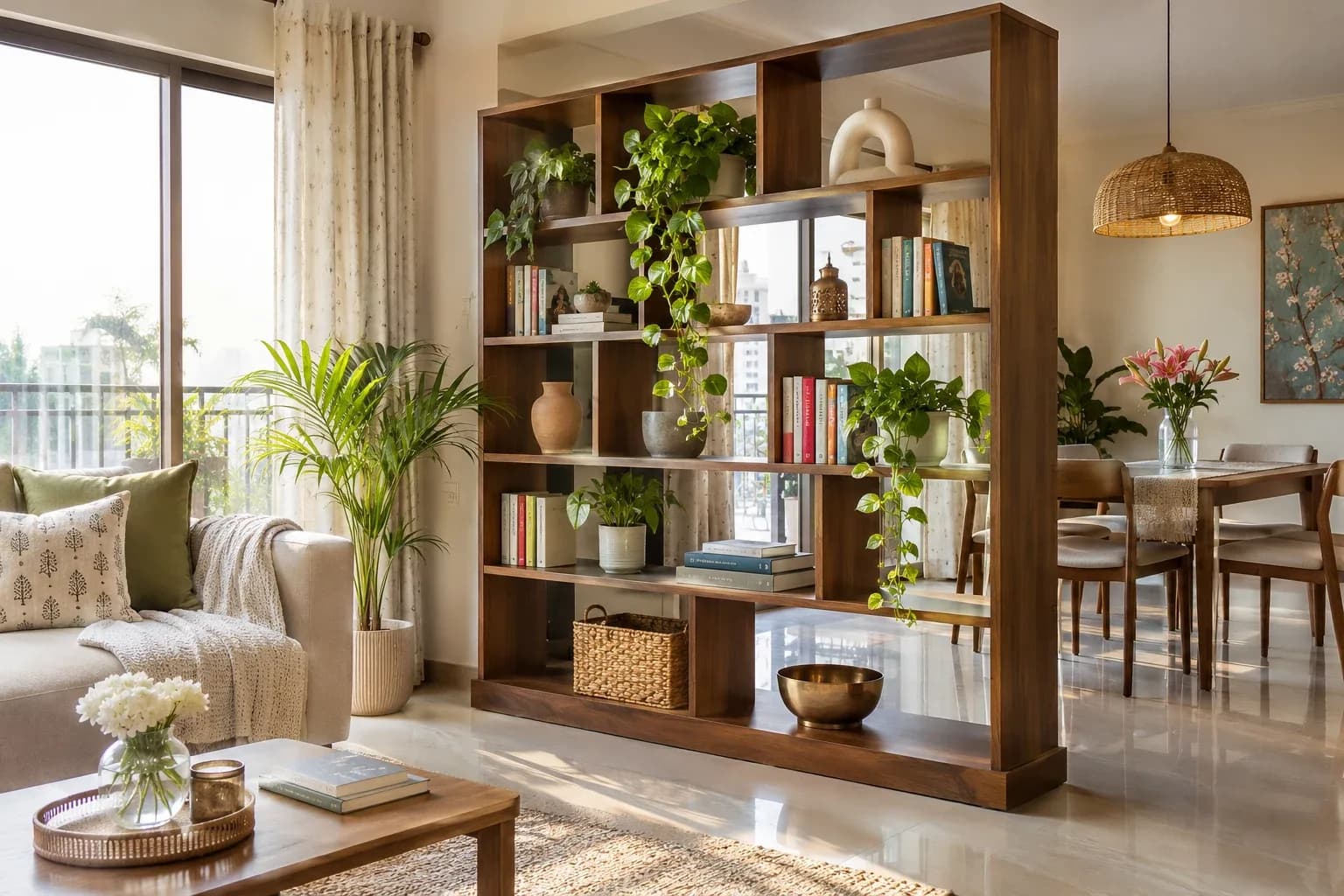
Practical guidance
A rented room can be divided with movable furniture, a properly supported freestanding screen or another removable system. Choose by privacy, light, stability and the landlord's rules. A divider that avoids drilling still needs to be safe around normal movement and household use.
## Define the separation you need
Decide whether you want to hide the dining table from the entrance, create a dressing corner or mark two functions in one room. These needs may require different heights and levels of openness. Start with a floor plan showing doors, windows and the main route through the space.
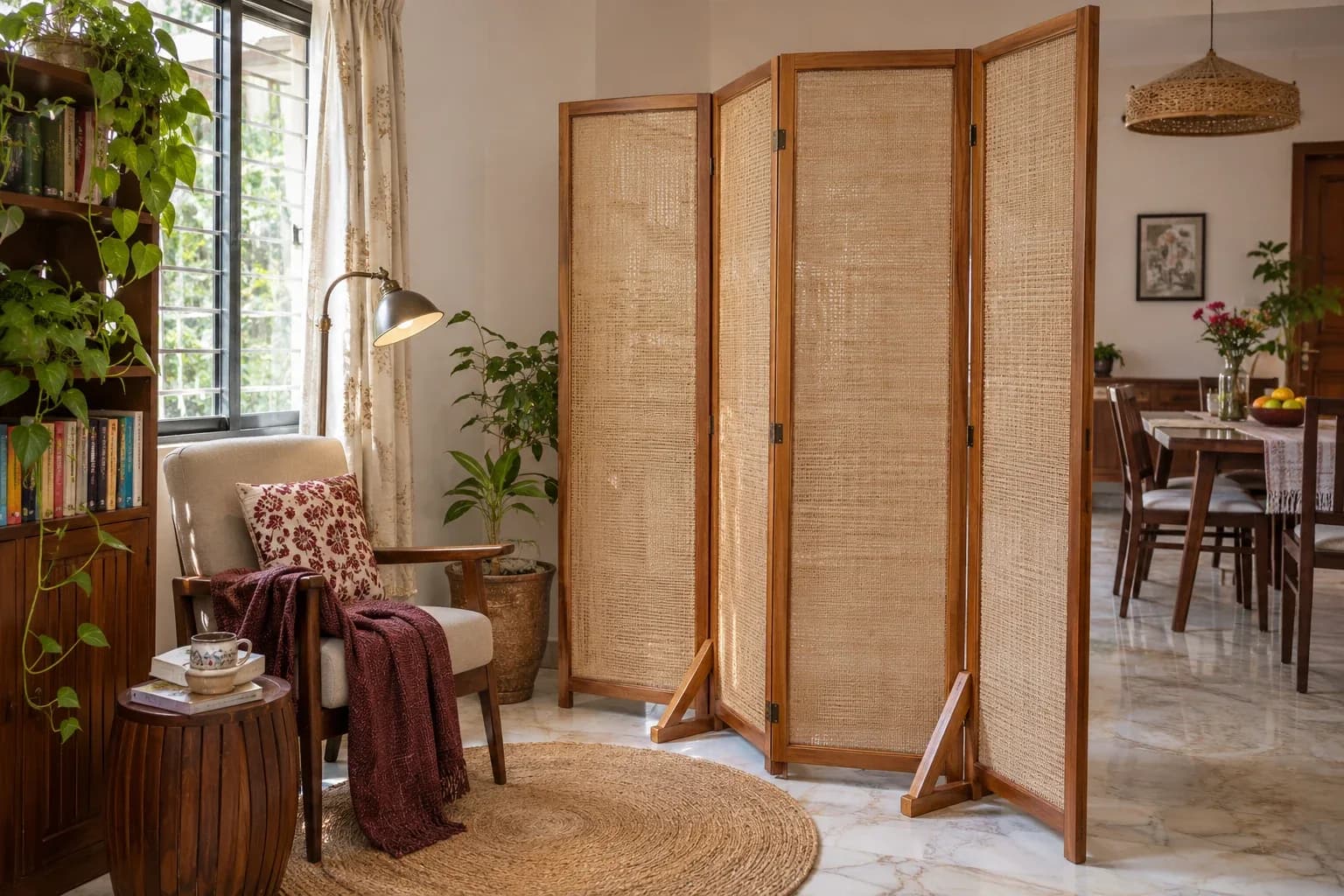
A low storage unit can suggest a boundary while preserving light. An open screen can interrupt the view without forming a private room. A curtain or tension-based system depends on its permitted fixing method and suitable support conditions. Confirm the lease restrictions before buying.
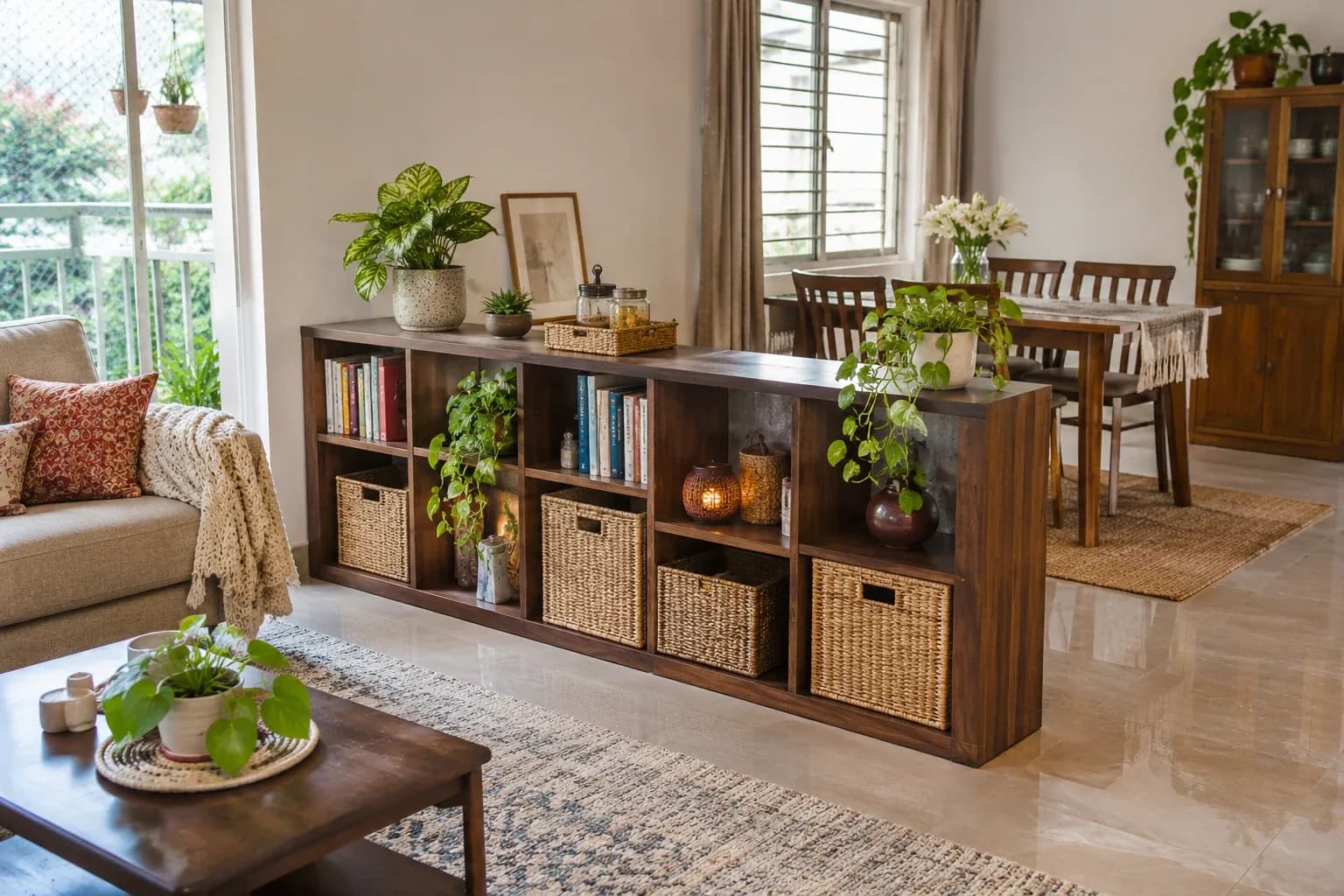
Check stability and daily movement
Follow the furniture or screen manufacturer's anchoring instructions. A tall bookshelf that requires restraint is not made safe merely by choosing to leave the wall undrilled. If the required anchoring is not permitted, choose a different solution.
Keep exit routes, door swings and ventilation clear. Consider children, pets and how the divider behaves if brushed past or loaded. Do not use a slim decorative frame as a storage unit unless it is designed for that purpose. Test the footprint with chairs pulled out on both sides.
Make removal and reuse straightforward
Choose a finish that coordinates with furniture you intend to keep after moving. Check whether the divider can pass through the lift and doorways, and whether it dismantles without damage.
For custom work, agree dimensions, assembly, protective floor contact and any fixing limits in writing. Ask how it will be cleaned and moved. The best temporary division earns its space through daily use and can leave with you when the tenancy ends.
## A practical check before you decide
Use chairs or cardboard to mark the proposed divider footprint. Rehearse entering, dining and opening nearby doors with the furniture in use. Compare the privacy gained with the light and passage lost, then confirm that the selected product's stability requirements are compatible with the tenancy.
## Choose the type of separation first
Decide whether you need a visual boundary, privacy while seated, a backdrop or additional storage. A low furniture arrangement can define two activities while retaining light; a taller screen changes views and circulation more strongly. Compare those effects with a taped footprint before buying or commissioning a divider.
Check the tenancy rules for fixings and alterations. A product described as freestanding may still require an anti-tip fixing in its instructions. Do not omit a required fixing simply to avoid drilling. Choose a suitable alternative if the safe installation cannot be accommodated, and include normal household movement in the stability assessment.
## Test the room with chairs in use
Move dining chairs back from the table and walk between the two areas. Include door swings, curtains, cleaning access and the route for carrying food. Check whether a screen catches bags or whether projecting feet become obstacles. A divider that looks small in a photograph can occupy a substantial working footprint.
Ask how the system can be dismantled, transported and reassembled. Keep loose components and instructions so removal does not depend on improvised work at the end of the tenancy. Use floor protection that suits the product and floor finish. Approve the arrangement only after checking stability, light and circulation together. A removable divider should remain practical throughout daily use, not merely avoid a visible hole in the wall.
## Separate the decorative sheet from its backing
Greenlam’s collection catalogue identifies 1.0 mm thickness for its Super Gloss laminate example. A decorative surface specification does not establish the strength of a freestanding divider. Before ordering, record the actual finish code, backing, finished section and exposed edges on the rental-room drawing, then have the maker confirm the supports for that assembly.
Questions people ask us
Does no drilling mean any bookshelf can stand free?
No. Follow the product's anchoring and stability requirements.
Will an open screen create acoustic privacy?
It may interrupt sight lines but should not be assumed to block sound.
Can a tension system fit every ceiling?
Its suitability depends on the product, surfaces and permitted loads.
Should I ask the landlord first?
Confirm the allowed fixing and alteration methods under your tenancy.
What is the easiest first test?
Mark the footprint and rehearse the room with chairs and doors in use.