

Tie interior-work payments to clearly described deliverables that both parties can inspect. Terms such as structural work or finishing can mean different things to a client and contractor. Define them against the actual project scope before work starts.
Turn broad stage names into observable work
List the rooms, furniture and site work included in each stage. For a wardrobe, board procurement, carcass assembly, shutter fitting and final adjustment are different events. For a kitchen, services, cabinet installation and countertop completion may involve different trades.
Use quantities, locations and documents to identify completion. A stage called materials delivered should say which materials, where they are stored and what records identify them. Do not treat an unrelated delivery as proof that the whole carpentry stage is complete.
## Record how changes will be approved
Agree how additional work, substitutions and changed quantities are priced and authorised. Keep variations separate from the original stage description so the payment record remains understandable.
Ask what happens when one trade's delay prevents another part of a stage from being finished. A useful schedule can identify completed and outstanding items without pretending the entire room is either fully done or untouched. Contract terms and remedies should be reviewed with a qualified adviser where appropriate.
Plan inspection and handover
Define the evidence expected before each payment request, such as a measured drawing, material references, photographs or an on-site walkthrough. At the final stage, include adjustments, cleaning, documentation and an agreed snag record.
Keep a running ledger of invoices, payments and written approvals. If there is a disagreement, compare the requested payment with the defined deliverables and document the specific gap. This guide supports clearer project records. It does not prescribe a legally binding payment percentage or replace advice on a particular contract.
## A practical check before you decide
Take the draft schedule and ask two people to describe what must physically exist at the end of each stage. Rewrite any stage they interpret differently. Attach the room scope and variation process, then confirm how completion will be recorded before the next invoice is raised.
## Make a milestone easy to inspect
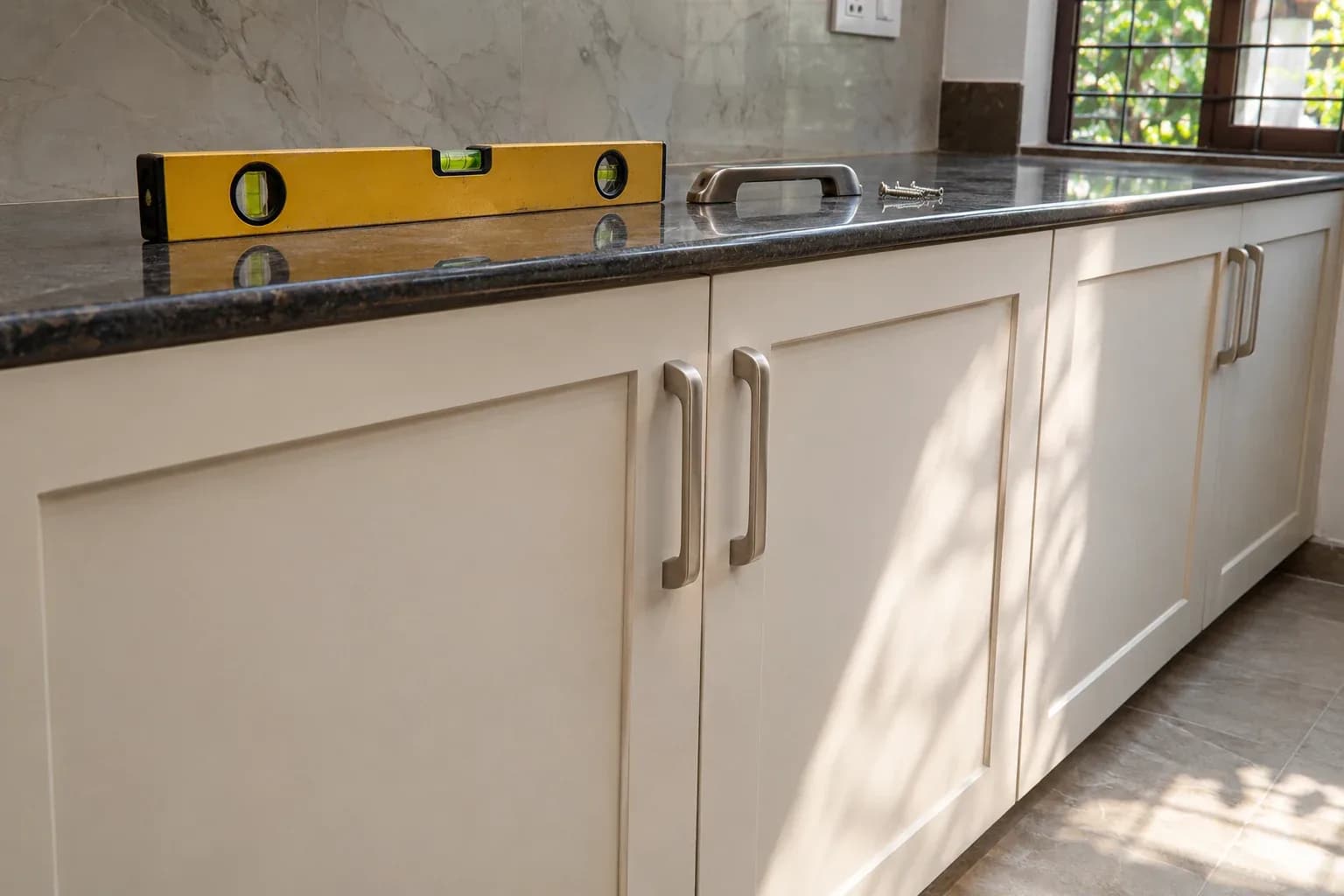
Suppose the schedule says the next instalment falls due when the wardrobes are complete. Walk through one room with the installer and agree what complete means. Can you open every drawer fully? Are the handles fitted, the shutters aligned and the shelves installed at the heights on the approved drawing? If a handle is still on order, record the missing item, who will fit it and how the agreed payment schedule treats that exception. Use the same room names and drawing references on the invoice and inspection record so that both parties can identify the work.
For a materials milestone, distinguish goods that have been ordered from goods that have arrived. Match the delivery note to the product schedule. For example, if the order specifies 18 mm plywood and 1 mm laminate, identify the corresponding items before installation hides the labels. If materials arrive in two deliveries, agree how the split will be documented before the first invoice is raised.

Questions people ask us
What is wrong with a stage called structural work?
It can be interpreted differently unless the included tasks are defined.
Should I use a fixed percentage from an online example?
Agree a schedule appropriate to the actual contract and obtain advice where needed.
How should extra work be recorded?
Use a written variation identifying scope, price and approval before it is treated as part of the job.
Does material delivery mean installation is complete?
No. Identify procurement and fitting as distinct deliverables where relevant.
What belongs in the final handover?
Agreed completion checks, remaining snags, product records, instructions and payment documentation.
Shop these categories
Keep reading
- Acrylic vs laminate for kitchen cabinets: which should you choose?
- Which laminate brand should I choose for my modular kitchen?
- 0.8 mm vs 1 mm laminate: what should you check before buying?
- Will glossy wardrobe doors cause distracting reflections in my bedroom?
- How do I match wardrobe laminates with my flooring and wall colour?
- White, ivory or wood-look: which laminate should I use inside wardrobes?